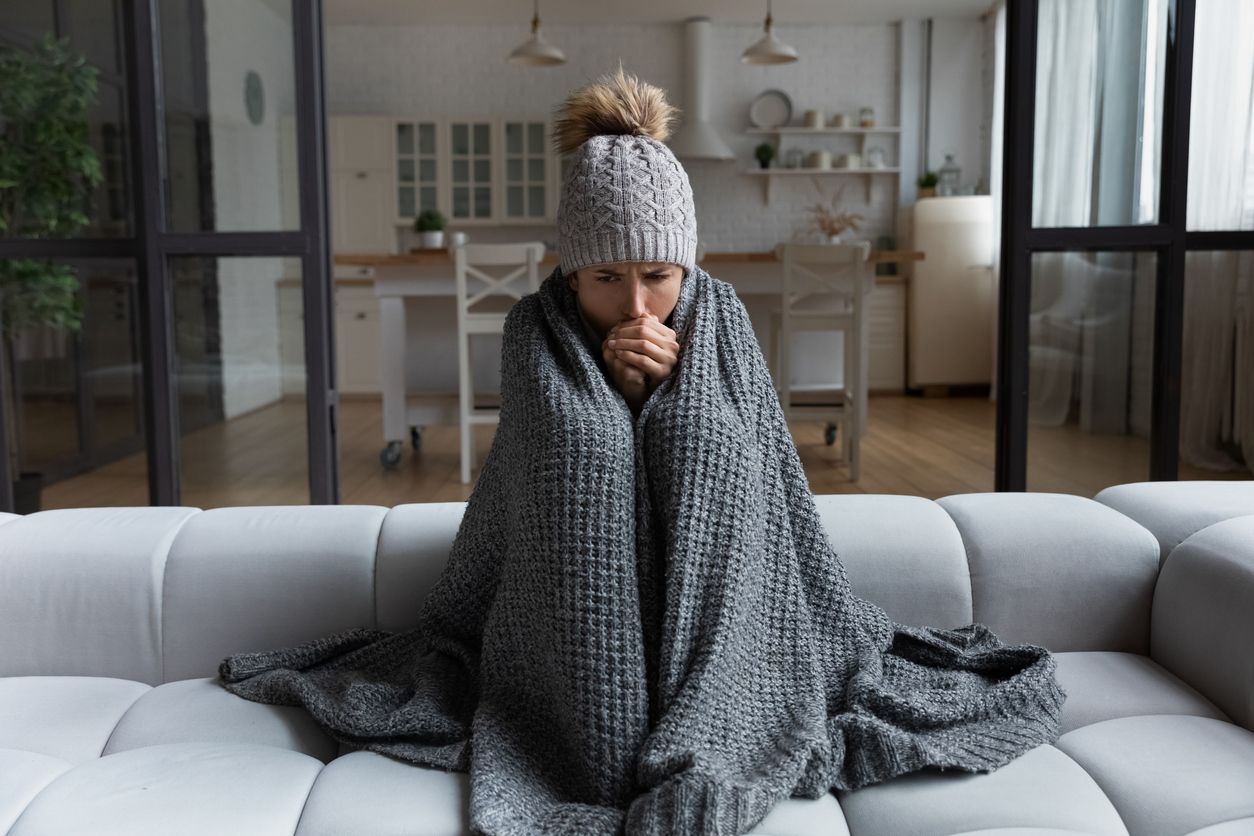
Troubleshooting Common Furnace Problems: Practical Solutions for Kansas City Homeowners
This furnace troubleshooting guide helps Kansas City homeowners pinpoint common heating issues, understand what’s causing them, and run safe, effective checks before calling a technician. With our seasonal temperature swings, furnaces work harder here — so recognizing thermostat, ignition, airflow, and safety problems early can save time and prevent emergency service calls. Read on for practical DIY checks, how to interpret noises and short-cycling, a maintenance checklist to prevent problems, and clear safety steps for gas and carbon monoxide concerns. Each H2 section shows symptoms you can observe, likely causes, homeowner actions you can safely take, and when to call a pro. We also use helpful keywords—furnace maintenance, heater problems, furnace maintenance checklist homeowners—to make it easy to find the right guidance fast.
Why Is My Furnace Not Heating? Common Causes and Fixes
If your furnace isn’t producing heat, the issue almost always falls into one of a few areas: controls, ignition, airflow, or fuel delivery. Pinpointing which subsystem is at fault—thermostat, ignition, a tripped breaker, or a closed gas valve—lets you run targeted checks. Start by confirming the thermostat mode and set temperature, then make sure the furnace has power, inspect the air filter, and listen for ignition attempts. Those simple steps separate quick homeowner fixes from problems that need a technician. Doing these checks promptly also helps spot gas or electrical issues early. Below are the most common reasons so you can prioritize safe troubleshooting before you call for service.
Top five reasons a furnace won’t heat:
- Thermostat set incorrectly or dead batteries, preventing a heat call.
- Tripped circuit breaker or blown fuse cutting power to the furnace.
- Clogged air filter restricting airflow and causing safety shutoffs.
- Ignition failure — failed pilot light, hot-surface ignitor, or flame sensor.
- Closed gas valve or interrupted fuel supply preventing burners from firing.
Work through these safe checks in order: confirm the thermostat mode and fresh batteries, reset any tripped breakers, replace dirty filters, and watch for ignition attempts. If the burner never lights or you smell gas, leave the house and call emergency help right away. When your observations point to ignition components or gas flow, stop and call a licensed technician — flame sensors, ignitors, and heat exchangers require specialized testing and calibrated replacements.
Use this comparison to match what you observe with safe next steps and to decide whether you can keep troubleshooting or need a licensed technician.
What Thermostat Issues Can Prevent Furnace Heating?
Thermostat problems often look like furnace failures because the thermostat tells your system when to run. Digital, programmable, and smart thermostats can fail due to wrong mode, a mis-set schedule, dead batteries, or a communication issue with the furnace control board. The quickest check is simply making sure the thermostat has power and responds to input. For programmable units, confirm the schedule isn’t holding a lower temperature and that the system is set to HEAT, not COOL or FAN. Smart thermostats sometimes need a restart or a Wi‑Fi reconnection; wiring problems or failed relays should be handled by a technician. If basic checks don’t bring the furnace back, the next step is testing whether the thermostat is sending voltage to the furnace — a job for a trained pro.
How Do Pilot Light and Ignition System Problems Affect Heating?
Ignition components — older pilot lights, modern hot-surface ignitors, and electronic ignition modules — are what actually light the burners. When they fail, the furnace may try to start without producing heat. Common signs include clicking with no flame, a brief flame that goes out, or repeated lockouts where the control board stops trying after several failed attempts. A quick visual check for a steady pilot (on older units) or listening for ignition attempts can indicate an ignition problem, but cleaning or replacing flame sensors and ignitors requires disassembly and safe handling of electrical parts. Because ignition faults involve gas sequencing and electrical safety, it’s best to call a qualified technician when you suspect these components. If you need professional help, contact Patriot Heating & AC to schedule service for repairs, installations, or maintenance plans.
What Are the Reasons for Strange Furnace Noises and How Can I Fix Them?
Unusual furnace noises usually point to mechanical wear, airflow restrictions, or loose parts. Identifying the sound helps you narrow the cause and the right repair. Banging at startup often comes from expanding ductwork or delayed ignition; squealing or rubbing suggests a slipping belt or worn bearings; grinding usually means motor bearings are failing. Listen during startup and shutdown to determine whether the noise comes from inside the cabinet, the blower area, or the ducts — that will guide safe inspection steps. Tightening panels, replacing filters, and clearing space around the unit often fix minor rattles and hums, but persistent mechanical sounds deserve a pro’s attention to avoid more serious damage.
Common furnace noise-to-cause mapping:
- Banging on startup/shutdown — duct expansion or delayed ignition.
- Squealing or high-pitched noise — worn blower belt or bearing issues.
- Rattling — loose panels, debris in blower cabinet, or duct straps.
- Grinding — failing blower motor bearings requiring replacement.
After basic visual and listening checks, if you hear grinding, notice burning smells, or the noise continues after tightening panels and changing filters, turn the unit off and book a diagnostic service. Regular maintenance — lubrication, belt checks, and blower cleaning — prevents many noise-related failures and extends component life.
Which Blower Motor and Belt Issues Cause Noisy Furnaces?
The blower assembly is the source of most operational sound. Belts, bearings, and the blower wheel are common causes when things don’t sound right. A squeal usually means the belt is slipping or misaligned — you can sometimes confirm this by sight if it’s safe to access the unit — while grinding often signals worn motor bearings that need a technician for replacement. Dirt on the blower wheel can create imbalance and vibration, producing hums or rumbling that cleaning can fix; always disconnect power before opening the cabinet. Motor or bearing replacement requires electrical work and precise balancing, so persistent or severe symptoms should be handled by a professional.
How Do Ductwork and Loose Parts Contribute to Furnace Noise?
Ductwork carries and can amplify furnace noise. Thermal expansion makes ducts pop or bang as they heat and cool, and loose screws, access panels, or straps create intermittent rattles tied to fan speed. Inspect accessible ducts and registers for loose screws and secure straps, and check return-air grilles for blocked openings or furniture that restricts airflow. Tightening and sealing can reduce transmitted noise; persistent resonance or improper duct sizing may need professional modification or added insulation to dampen sound. If noise continues after tightening and cleaning, call a technician to evaluate the duct layout and blower interaction to protect the furnace from long-term strain.
How Can I Troubleshoot a Furnace That’s Blowing Cold Air?
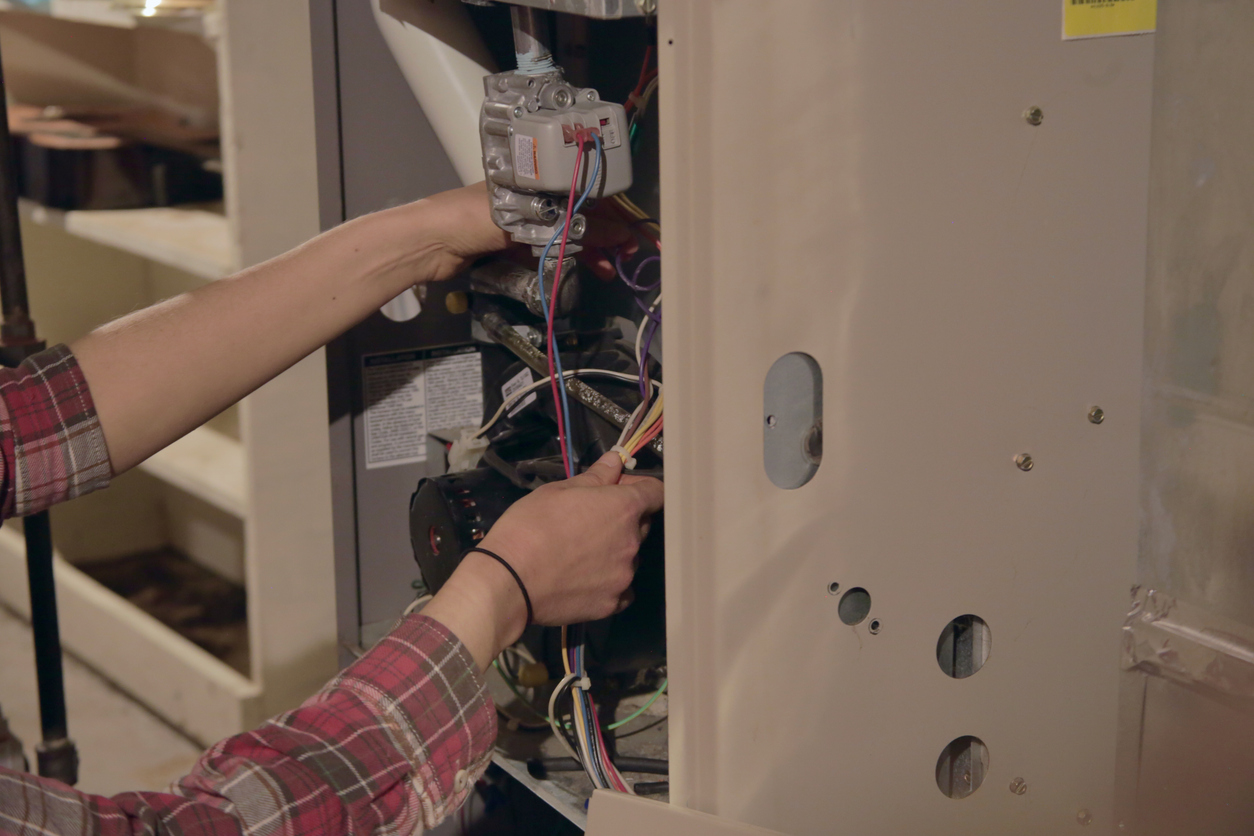
Cold air from a furnace usually means either the burners never ignite or airflow problems are causing the fan to run without heat. Separating those possibilities speeds troubleshooting. Start with the air filter, double-check thermostat mode and fan settings, and watch whether the furnace attempts to ignite. Those checks differentiate a clogged-filter airflow issue from an ignition or gas supply failure. If burners light briefly but you still get cool air, the heat exchanger or furnace repair may be at fault and needs professional inspection. Follow methodical, safety-first checks to see whether a homeowner action restores heat or it’s time to call a technician.
Common homeowner troubleshooting steps include:
- Replace or inspect the air filter to restore airflow.
- Verify thermostat is set to HEAT and not set to FAN ON.
- Observe ignition — if burners never light, suspect gas supply or ignition components.
If those steps don’t solve the cold-air issue or you notice unusual smells, soot, or unstable flames, shut the system down and contact a qualified technician — gas-related problems are unsafe to handle yourself.
What Role Does a Dirty Air Filter Play in Cold Air Problems?
A dirty or clogged air filter cuts airflow, which reduces heat transfer at the heat exchanger and can cause overheating that trips safety switches. Filters with higher MERV ratings capture more particles but may need more frequent changes in homes with pets or heavy dust; typical replacement intervals are 1–3 months depending on use and filter type. Replacing the filter is an easy homeowner task: turn off the thermostat, remove and inspect the old filter, then install the correct size in the right direction. If a fresh filter doesn’t restore warm airflow, further diagnostics are needed to check ignition, heat exchanger integrity, and blower performance.
How Do Thermostat Settings and Gas Valve Malfunctions Cause Cold Air?
Sometimes the simplest explanation is the thermostat settings — if the fan is set to ON or the system is set to COOL, the furnace will blow unheated air because it’s doing what you told it to do. That’s the quickest fix. A malfunctioning gas valve or interrupted fuel supply prevents burners from igniting and requires immediate professional attention — don’t attempt valve repairs yourself. If the thermostat and filter are correct but the burners won’t light, shut off the system and schedule a service call so a technician can test gas pressure, valve operation, and ignition sequencing. Prioritize safety: persistent gas smells or unsteady flames mean evacuate and call emergency services.
What Causes Furnace Short Cycling and How Can It Be Resolved?
Short cycling — frequent on/off runs shorter than a normal heating cycle — lowers efficiency, adds wear, and usually points to airflow restrictions, overheating, or control issues. Common causes are dirty filters, closed or blocked vents, a failing limit switch that trips too soon, or an oversized furnace that reaches setpoint too quickly. Start by restoring proper airflow: change filters, open return vents, and make sure registers are not closed. If cycling continues, the limit switch, control board, or sizing may be the root cause and should be tested and diagnosed by a technician. Knowing whether the issue is mechanical, electrical, or sizing-related helps decide between a repair, a control upgrade, or a replacement.
Primary homeowner actions to address short cycling:
- Replace dirty filters and clear return vents to improve airflow.
- Inspect for blocked flues or closed registers that cause overheating.
- Note cycle duration and frequency to inform technician diagnostics.
If short cycling continues after basic maintenance, have a professional evaluate limit switches, blower capacity, and overall system sizing. In some cases, adding control strategies or replacing an oversized unit improves run-time, comfort, and humidity control.
Short cycling shortens equipment life and raises heating costs. Fixing airflow and safety-control triggers prevents repeat failures and improves comfort across Kansas City’s changing seasons.
How Do Overheating and Limit Switch Failures Trigger Short Cycling?
The limit switch monitors heat exchanger temperature and shuts burners off if the unit overheats. A dirty filter, blocked return, or a failing blower reduces airflow and can cause the switch to trip early, producing short cycles. Homeowners should start by checking filters, open vents, and any return obstructions — restoring airflow often clears repeated trips. If airflow is fine but the limit switch keeps tripping, the switch or blower may be failing and needs a technician’s testing. A trained pro can calibrate or replace the limit switch and address underlying causes like blower underperformance or heat exchanger restrictions to stop short cycling.
Can an Oversized Furnace Lead to Short Cycling?
Yes. An oversized furnace heats your space very quickly, reaches the thermostat setpoint before completing a full cycle, and then shuts off — which causes frequent short cycles. Proper sizing is based on a load calculation that accounts for insulation, windows, and local climate. Fixes include installing staged or variable-speed equipment, adding zoning, or ultimately replacing an oversized unit. Many homeowners get good results with control upgrades or zoning before considering full replacement, but a technician should perform a load calculation and recommend the most cost-effective path for comfort and efficiency.
When Should I Call a Professional for Emergency Furnace Repair in Kansas City?
Call for emergency furnace repair when you see signs of immediate danger or impending failure — these situations deserve fast professional response instead of extended DIY troubleshooting. Urgent red flags include the smell of natural gas, carbon monoxide alarm activation, visible cracks in the heat exchanger, continuous sparking, or repeated ignition lockouts. If you suspect gas or carbon monoxide, evacuate immediately; only shut off the gas if you are trained and can do so safely, and contact emergency services. For urgent but non-life-threatening issues—like repeated ignition failure in freezing weather—Emergency service keeps your home safe and prevents damage.
Emergency signs that require professional help now:
- Strong gas smell or suspected leak — evacuate and call emergency responders.
- Carbon monoxide alarm activation — leave the home immediately and seek help.
- Visible heat exchanger cracks or heavy soot — risk of toxic gases requires inspection.
- Repeated ignition failure with loud sparking or burning odors — stop use and get service.
If you’re in the Kansas City Metro and facing an urgent furnace failure, Patriot Heating & AC offers around-the-clock emergency repair. Our technicians prioritize safety-first triage, rapid diagnostics, and temporary measures to secure your home until full repairs are completed. To schedule emergency service or to learn about repairs, installations, and maintenance plans, reach out to our team.
What Safety Concerns Require Immediate Expert Attention?
Life-safety risks include gas leaks, carbon monoxide exposure, and visible combustion anomalies — these require immediate emergency response because they can cause poisoning, fire, or explosion. If you smell gas, leave the property at once, avoid anything that could spark, and call emergency services and your gas utility; don’t go back inside until professionals say it’s safe. If a carbon monoxide alarm sounds, evacuate immediately and seek medical attention if anyone feels ill. For any flames outside the burners, persistent burning smells, or visible heat exchanger damage, shut down the furnace if it’s safe to do so and call emergency repair services right away.
How Does Patriot Heating & AC Provide Emergency Furnace Repair?
Patriot Heating & AC serves Kansas City Metro homeowners with Emergency furnace repair and a rapid-response process designed to handle safety hazards quickly. Our technicians arrive prepared to perform safety triage — gas leak checks, carbon monoxide screening, ignition system assessment — and to put temporary protections in place while we plan repairs. We focus on clear communication, homeowner safety, and practical next steps to restore heat and secure your home through the cold months. Contact us any time to arrange emergency service or to discuss repairs, installations, and maintenance plans.
Conclusion
Knowing common furnace problems and how to address them helps Kansas City homeowners stay safe and comfortable all winter. Use the troubleshooting steps here to handle minor issues and recognize when a technician is needed. Regular maintenance and prompt, professional service are the best ways to avoid costly breakdowns. If you need expert help, Patriot Heating & AC is ready to support repairs, installations, and maintenance to keep your home warm and secure.
Need Help? Call Patriot.
Call Us At: (913) 214-0883
Discover why so many homeowners trust Patriot Heating & AC with ALL of their Home Heating needs!
Customer Testimonials
See why customers trust our licensed and background-checked technicians and the quality service we deliver every time.


We’ve used Patriot for several years now and they always provide exceptional service. In particular, their technician, Gabe Simmons, is wonderful to work with. He has been the technician for our home for a few years now and always does a fantastic job. He’s friendly, welcoming, and remembers specifics about our home. I can’t recommend him enough.
Alex C.
I love the way Patriot is organized, and gives you updates as to when your technician will arrive. Cody was just a couple of minutes past the appointment time, and apologized for it. He was professional, courteous, and shared some great information about my furnace and air conditioner. I really like the way that Patriot gives you a printed maintenance checklist; what a great idea !
Ellen M.
We’ve had work done from Mike at Patriot a few different times and everything has been great. From replacing the entire HVAC system to tune ups, Mike has been extremely punctual, helpful, efficient, and friendly. We really appreciate his work and courteous manner with a house full of young kids. We will always call Patriot with our home needs as pricing, work, and staff have been superb. Thank you!
Matt S.
Mike did an excellent job working in my furnace and AC units to make sure they are running at peak performance. I am very pleased with Patriot and all they do for our families comfort. Justin came back out to replace the fan motor in the air conditioning unit on warranty. Thanks to both Mike and Justin for the excellent service.
Scott K.
Great service. Cody, the technician, is always polite, on time,, and always put plastic wraps on shoes before coming inside the house. I showed him today that my thermostat is off (according to my other 2 thermometers I put side by side). He called the company and they gave me the new one even it is after 3 years since I purchased the new system with them. Very honest company. Thank you.
v. s.
Look no further than Patriot Heating & AC for your service needs. I have used their services for the past 4 years now and have been completely satisfied. I have found them to be honest and professional as well as highly experienced. Frank was our technician today and he demonstrated all the values I have come to expect from Patriot Heating & Air. My expectations are "Perfection is the Standard". Patriot meets those expectations.
Dane R.
We’ve used Patriot for several years now and they always provide exceptional service. In particular, their technician, Gabe Simmons, is wonderful to work with. He has been the technician for our home for a few years now and always does a fantastic job. He’s friendly, welcoming, and remembers specifics about our home. I can’t recommend him enough.
Alex C.
I love the way Patriot is organized, and gives you updates as to when your technician will arrive. Cody was just a couple of minutes past the appointment time, and apologized for it. He was professional, courteous, and shared some great information about my furnace and air conditioner. I really like the way that Patriot gives you a printed maintenance checklist; what a great idea !
Ellen M.
We’ve had work done from Mike at Patriot a few different times and everything has been great. From replacing the entire HVAC system to tune ups, Mike has been extremely punctual, helpful, efficient, and friendly. We really appreciate his work and courteous manner with a house full of young kids. We will always call Patriot with our home needs as pricing, work, and staff have been superb. Thank you!
Matt S.
Mike did an excellent job working in my furnace and AC units to make sure they are running at peak performance. I am very pleased with Patriot and all they do for our families comfort. Justin came back out to replace the fan motor in the air conditioning unit on warranty. Thanks to both Mike and Justin for the excellent service.
Scott K.
Great service. Cody, the technician, is always polite, on time,, and always put plastic wraps on shoes before coming inside the house. I showed him today that my thermostat is off (according to my other 2 thermometers I put side by side). He called the company and they gave me the new one even it is after 3 years since I purchased the new system with them. Very honest company. Thank you.
v. s.
Look no further than Patriot Heating & AC for your service needs. I have used their services for the past 4 years now and have been completely satisfied. I have found them to be honest and professional as well as highly experienced. Frank was our technician today and he demonstrated all the values I have come to expect from Patriot Heating & Air. My expectations are "Perfection is the Standard". Patriot meets those expectations.
Dane R.
Customer Testimonials
See why customers trust our licensed and background-checked technicians and the quality service we deliver every time.
We’ve used Patriot for several years now and they always provide exceptional service. In particular, their technician, Gabe Simmons, is wonderful to work with. He has been the technician for our home for a few years now and always does a fantastic job. He’s friendly, welcoming, and remembers specifics about our home. I can’t recommend him enough.
Alex C.
I love the way Patriot is organized, and gives you updates as to when your technician will arrive. Cody was just a couple of minutes past the appointment time, and apologized for it. He was professional, courteous, and shared some great information about my furnace and air conditioner. I really like the way that Patriot gives you a printed maintenance checklist; what a great idea !
Ellen M.
We’ve had work done from Mike at Patriot a few different times and everything has been great. From replacing the entire HVAC system to tune ups, Mike has been extremely punctual, helpful, efficient, and friendly. We really appreciate his work and courteous manner with a house full of young kids. We will always call Patriot with our home needs as pricing, work, and staff have been superb. Thank you!
Matt S.
Mike did an excellent job working in my furnace and AC units to make sure they are running at peak performance. I am very pleased with Patriot and all they do for our families comfort. Justin came back out to replace the fan motor in the air conditioning unit on warranty. Thanks to both Mike and Justin for the excellent service.
Scott K.
Great service. Cody, the technician, is always polite, on time,, and always put plastic wraps on shoes before coming inside the house. I showed him today that my thermostat is off (according to my other 2 thermometers I put side by side). He called the company and they gave me the new one even it is after 3 years since I purchased the new system with them. Very honest company. Thank you.
v. s.
Look no further than Patriot Heating & AC for your service needs. I have used their services for the past 4 years now and have been completely satisfied. I have found them to be honest and professional as well as highly experienced. Frank was our technician today and he demonstrated all the values I have come to expect from Patriot Heating & Air. My expectations are "Perfection is the Standard". Patriot meets those expectations.
Dane R.